The 4th National Hishi Summit in Inawashiro, Fukushima
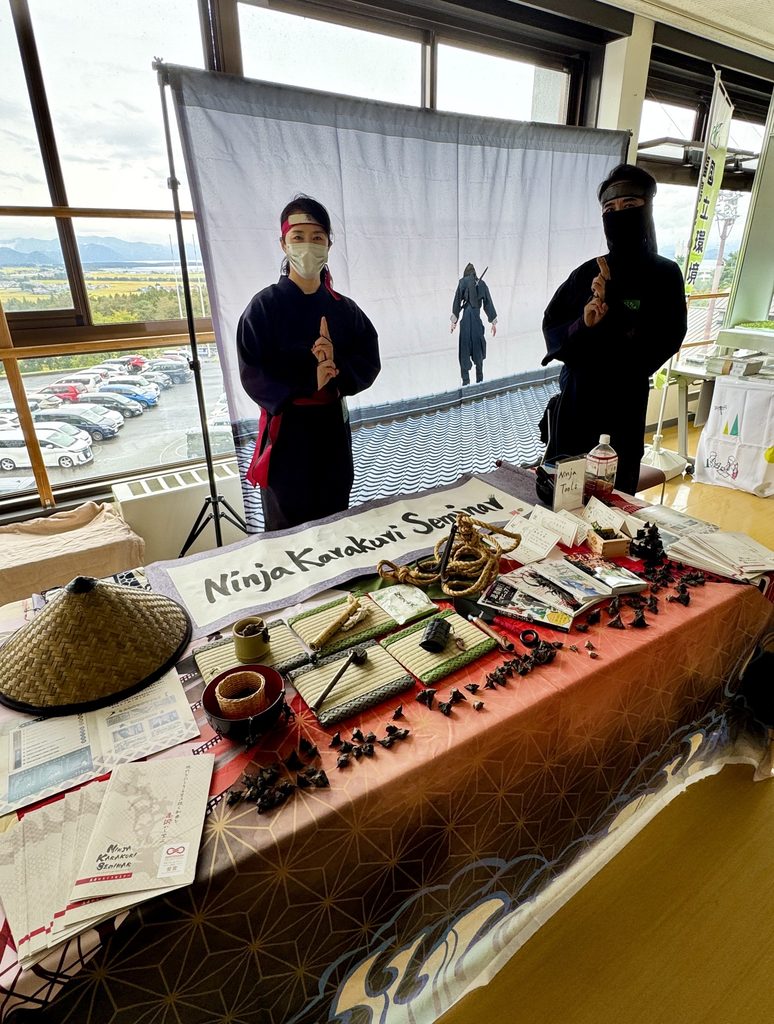
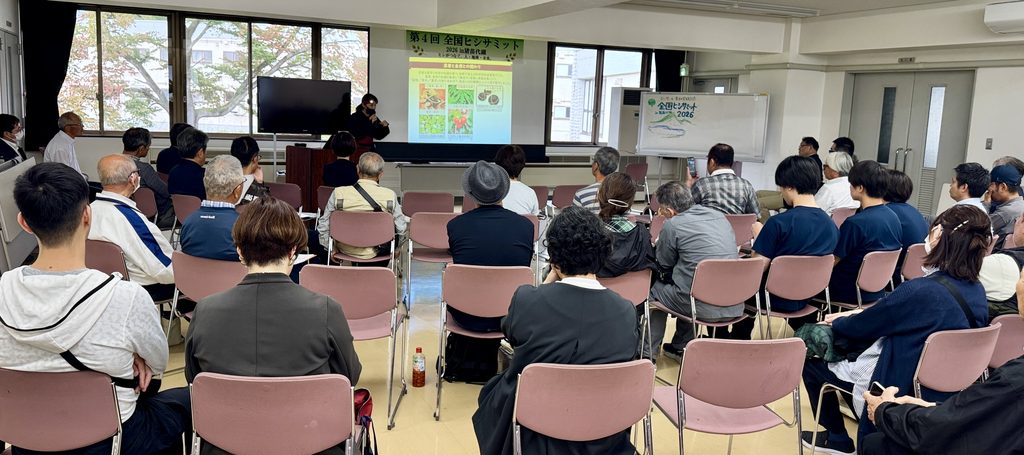
On a day in September, when the summer heat was finally beginning to fade, we attended the 4th National Hishi Summit 2026 in Inawashiro, Fukushima Prefecture, as ninjas.
Why ninjas at a summit about aquatic plants? Because makibishi, traditional Japanese ninja spikes, were once an important tool for ninjas!
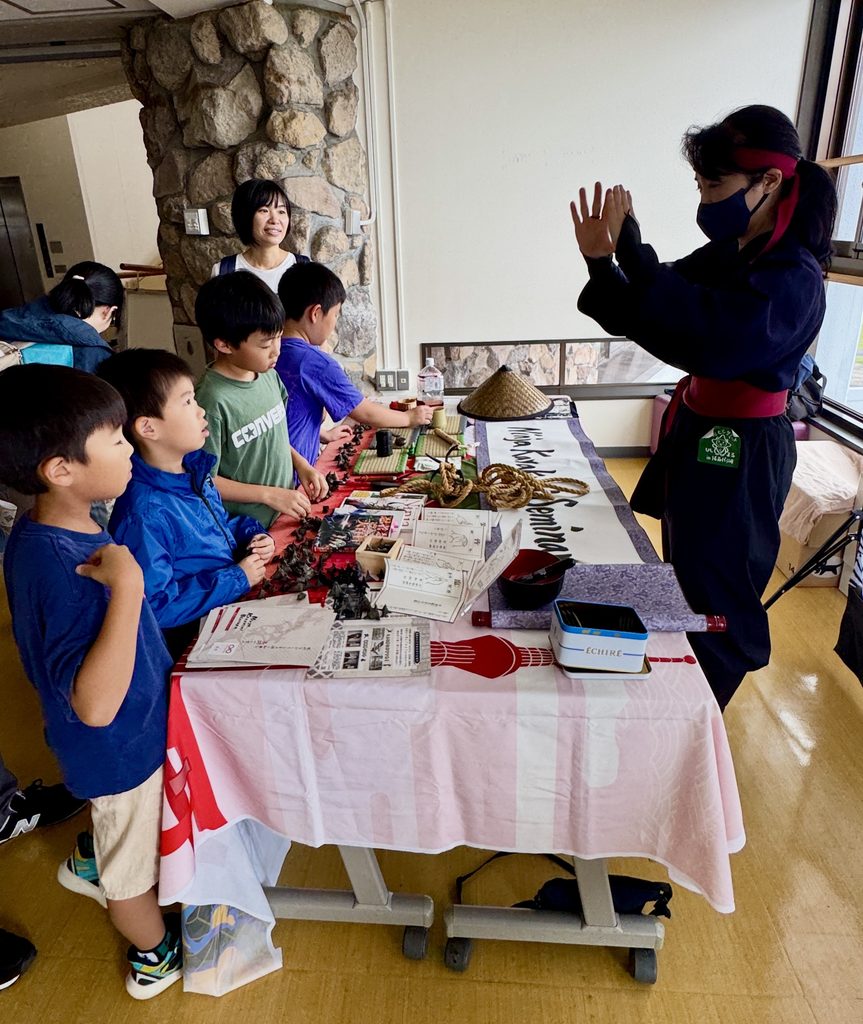
At the summit, we hosted a booth and gave a presentation and live demonstration titled “The Sharp Connection Between Hishi and Ninjas.”

A Stealth Walking Experience Where You Avoid Stepping on Spike Traps
Hishi (water caltrop) is an aquatic plant that grows in lakes and ponds. In Lake Inawashiro, however, it has become something of a troublemaker. It spreads so quickly that it threatens asaza, a beautiful native plant with small yellow flowers. Dead hishi plants can also harm water quality, while the sharp spikes of onibishi, a particularly thorny variety, make it difficult to handle safely.
Apparently, many lakes across Japan face similar problems.

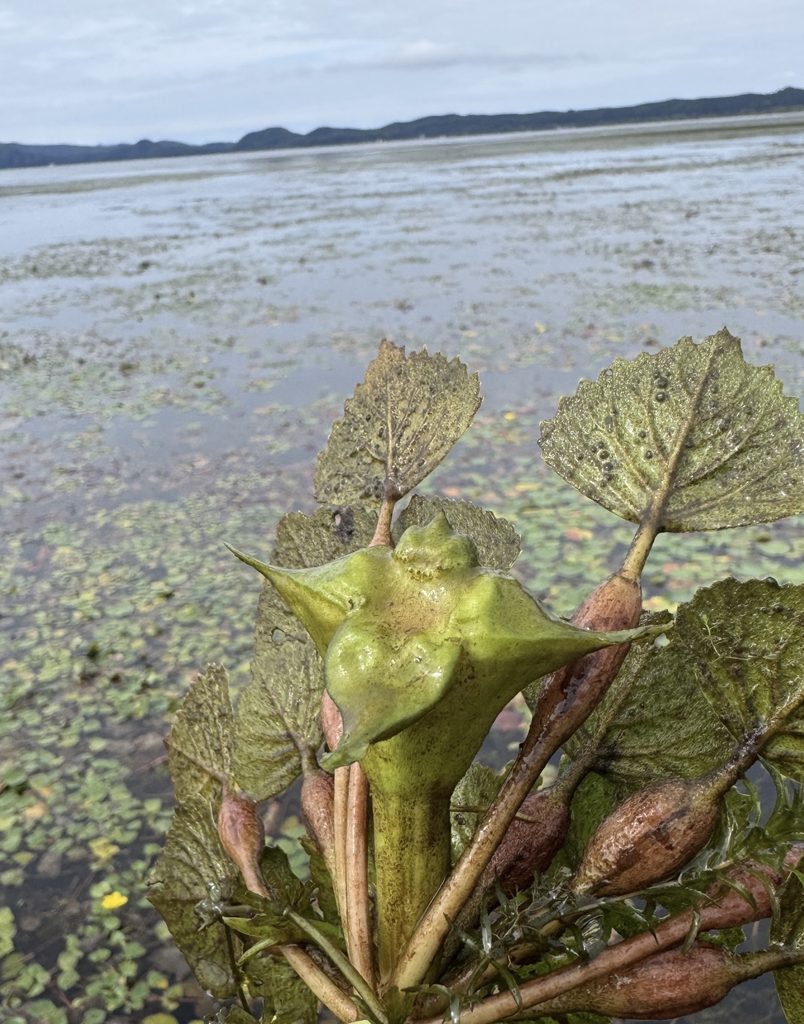
But hishi also has a fascinating history and surprising benefits. Research has revealed its potential health benefits, including those of its polyphenols. The Japanese have also been eating hishi nuts since ancient times, as recorded in the Nihon Shoki, one of Japan’s oldest historical texts.
The summit brought together passionate people from across Japan who shared one goal: “Let’s find better ways to live with hishi and make good use of it!”
It was a serious and surprisingly fascinating gathering of researchers, experts, and enthusiasts.
Today, hishi is used in many products, including natural dyes, tea, sweets, and hand creams. Hishi tea is especially enjoyable, with a pleasant roasted flavor, and research suggests that it may help control blood sugar levels. Many more uses are still being explored.
For ninjas, however, hishi has been a treasure for centuries.
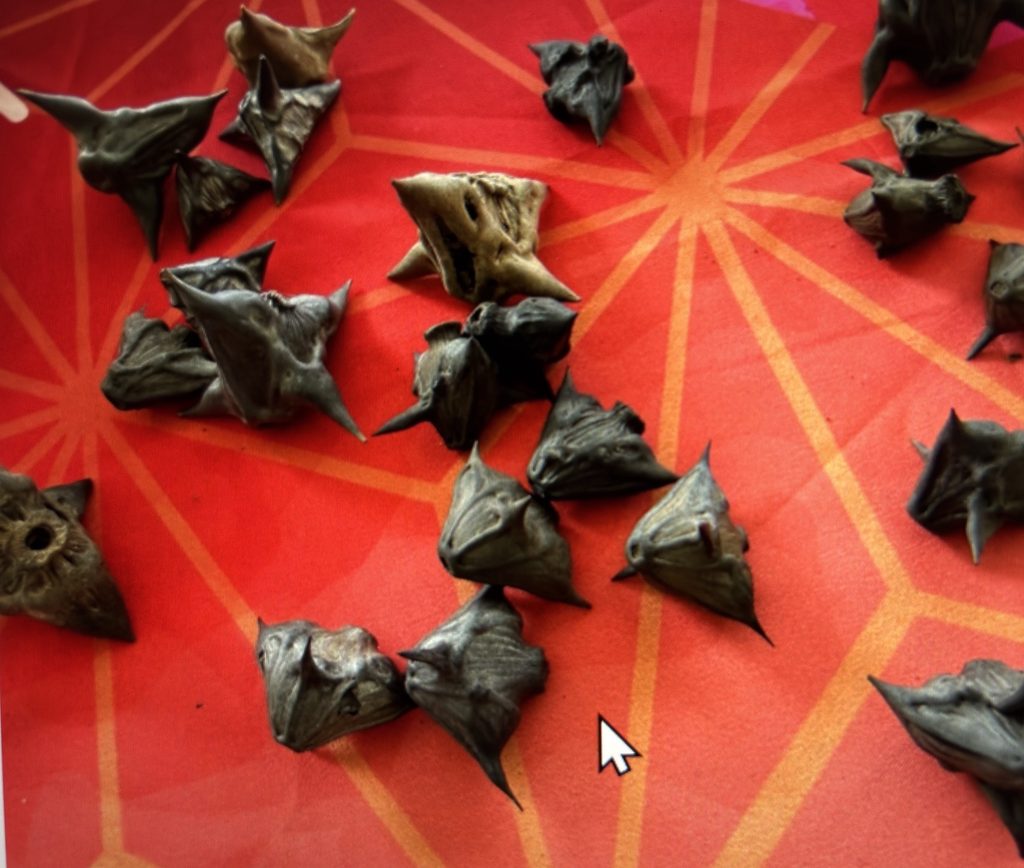
The hard shell of onibishi has four sharp points. Thanks to its special shape, one point always faces upward, no matter how it falls. In the days when people wore straw sandals rather than modern shoes, stepping on one must have been extremely painful. It could stop an enemy in his tracks, making it a simple but effective defensive tool.
And there is another advantage. Boil the nuts, remove their hard shells, and you can eat the soft, starchy flesh inside. With a pleasant taste and a texture similar to chestnuts, they also made excellent emergency food.
Of course, carrying such sharp objects was a challenge. Ninjas are believed to have carried them in small animal-skin bags or bamboo tubes.
Who would have thought that one small aquatic plant could have so many uses and such a rich history?
What may seem like an ordinary water plant turned out to be a source of remarkable knowledge and inspiration.
Even for us ninjas, these were two days full of discoveries and valuable lessons!